Gendered language is weird sometimes. The comedian Frankie Boyle does a hilarious and uncharacteristically safe routine about the early French deciding which gender various inanimate objects were, so for example a lemon was clearly maleâ 1 because a lemon is a little yellow man. And some language is unnecessarily gendered, such as “firemen†when “firefighters†would work just as well.
Sometimes requests for inclusive language are hailed as examples of “political correctness gone madâ€, but I can’t see what’s wrong with wanting language to be inclusive rather than exclusive. If the gender of the person isn’t relevant, why do we need to know it?

Airline stewards and stewardesses, police men and women, actors and actresses, hunters and huntresses, waiters and waitresses, chairmen and chairwomen, comedians and comediennes… it’s the same job whether they’re male or female. The configuration of their genitals has no impact on how they help passengers, fight crime, pretend to be other people, track creatures, serve coffee, run meetings or tell jokesâ 2.
Imagine if every time we mentioned a person we had to add “…who is a manâ€, “…who is a woman†or “…who is trans†immediately afterwards. We’d quickly get sick of it: the ugliness of it, the unnecessariness of it. We’d stop doing it fairly quickly. We should do the same with gendered words when the gender is completely irrelevant.
Titles are pretty straightforward for people who aren’t trans. If you’re a man, you’re a Mr. If you’re a woman, you’re generally expected to indicate whether you’re the property of a man or sexually available at this point, because the world is often stupid and terrible. But it’s even more stupid for some trans people.
Some trans people are fine with Mr or Ms, or even Miss and Mrs. But others aren’t, and would like to use a title that’s gender neutral. So for example you might be Mr Don or Ms George, but I might not be either.
We have a word for that: Mx, pronounced “mixâ€.

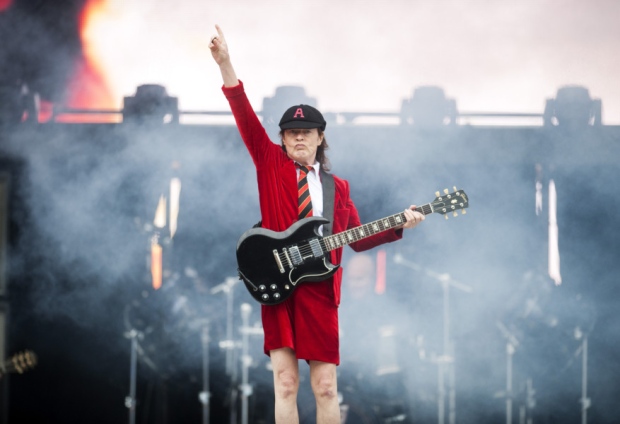
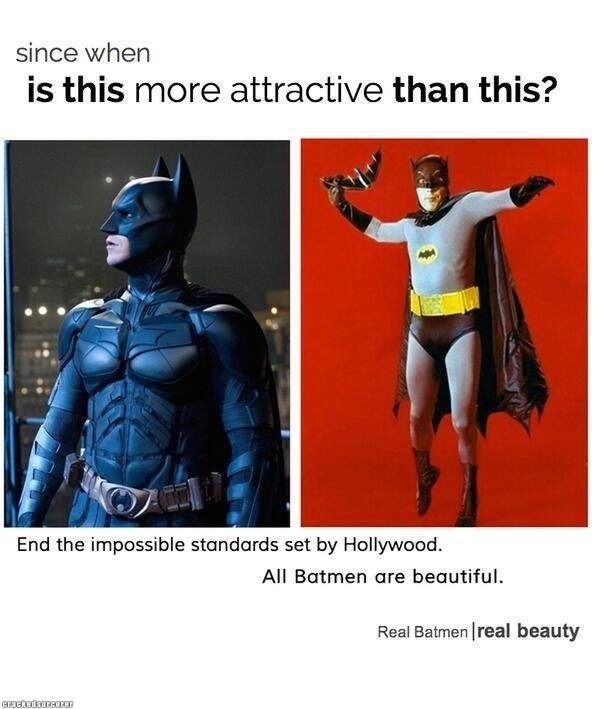
No, not that little Mx.
Some people have a real problem with Mx and related titles.
When HSBC announced that it would let its trans customers choose from ten titlesâ 3 on their bank statements, cards and apps, people were appalled. Commenting on the story in a newspaper I don’t need to name, the why oh why brigade were out in force.
Here’s Mr Simmons, who clearly thinks grammar is his mum’s mum:
There’s two genders, male and female, that is it so none of this nonsense just Mr, Mrs, Miss or Master.
Cookie Cat, who is a cat:
I’ve got a title for the dweebs who come up with this nonsense….Prat.
Dolly Duck, who is a duck:
the world has now totally gone mad, who needs a title whats wrong with just stating your name this is absolute nonsense
Doing It Tuff, who is of course the son of Dave and Irene Tuff:
OMG. I would choose all of them just to hear some idiot try and get their tongue round it. HSBC should have more important things to worry about.
Mariama Deep, who seems to think the new titles are compulsory for everyone and doesn’t bank there anyway:
I want to be called by title which is, Mrs. If I had an account with this bank, I would leave.
Carine 88, daughter of Olivia and Brian 88:
oh please , ffs
(Incidentally, 88 is often used in the user names of white supremacists and neo-Nazis in a kind of secret handshake kind of way: it’s shorthand for Heil Hitler. I suspect here it’s a year of birth, but that’s not going to stop me posting my go-to GIF:)

Lakesider, who identifies as something that is next to a lake:
As a shareholder in HSBC, I shall be letting them know that I object to this shocking waste of money pandering to the whims of a tiny number of PC obsessed fools.
And last but not least, Julian And Sandy, who thinks he is two people.
World’s gone mad.
Is the the world that’s mad, Julian and Sandy, or is you? Maybe it’s one of you, or maybe it’s the other one. Maybe it’s both!
It’s not just HSBC either. The Royal Opera Houseâ 4 uses Mx too, as well as many other silly, probably made-up titles such as:
Advocate, Ambassador, Baron, Baroness, Brigadier, Canon, Chaplain, Chancellor, Chief, Col, Comdr, Commodore, Councillor, Count…

…Countess, Dame, Dr, Duke of, Earl, Earl of, Father, General, Group Captain, H R H The Duchess of, H R H The Duke of, H R H The Princess, HE Mr, HE Senora, HE The French Ambassador M, His Highness, His Hon, His Hon Judge, Hon, Hon Ambassador, Hon Dr, Hon Lady, Hon Mrs, HRH, HRH Sultan Shah…
We’re not even at M yet, where the trans people who think they’re too good for Mr and Mrs like to hang out, possibly in bathrooms.
HRH The, HRH The Prince, HRH The Princess, HSH Princess, HSH The Prince, Judge, King, Lady, Lord, Lord and Lady, Lord Justice, Lt Cdr, Lt Col, Madam, Madame, Maj, Maj Gen, Major, Marchesa, Marchese, Marchioness…
Am I labouring the point like Stewart Lee does, taking the joke so far it stops being funny but might become funny again if I stick with it?

…Marchioness of, Marquess, Marquess of, Marquis, Marquise, Master, Mr and Mrs, Mr and The Hon Mrs, President, Prince…

Of course, he preferred to use a symbol.
…Princess, Princessin, Prof, Prof Emeritus, Prof Dame, Professor, Queen…
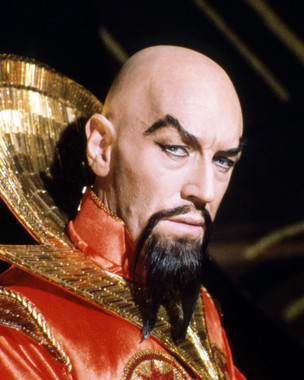
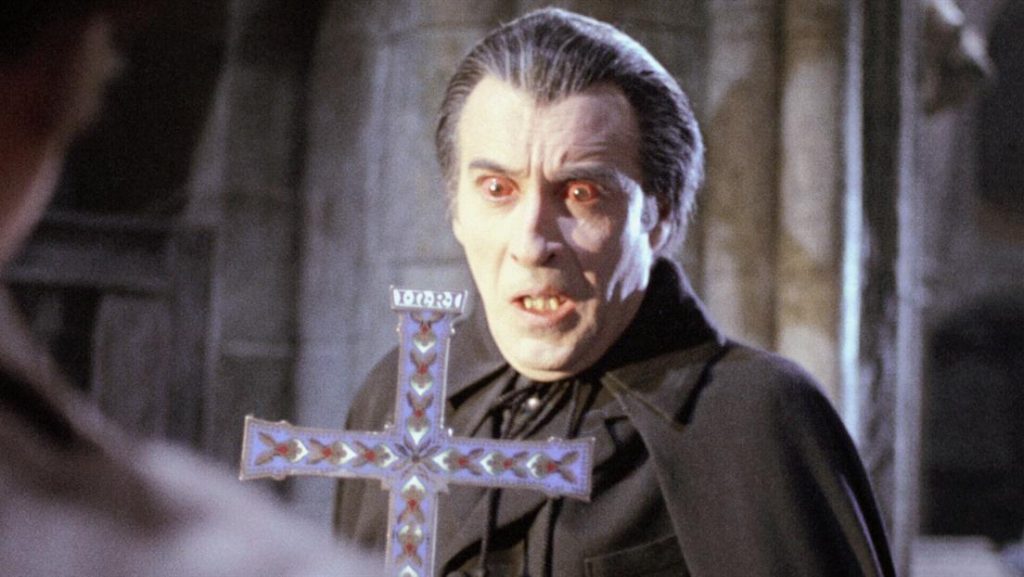
But strangely not “Flash! Ah-ahhh!
…Rabbi, Representative, Rev Canon, Rev Dr, Rev Mgr, Rev Preb, Reverend, Reverend Father, Right Rev, Rt Hon, Rt Hon Baroness, Rt Hon Lord, Rt Hon Sir, Rt Hon The Earl, Rt Hon Viscount, Senator, Sir, Sister, Sultan, The Baroness, The Countess, The Countess of, The Dowager Marchioness of…
That one sounds like someone Sherlock Holmes would visit.
…The Duchess, The Duchess of, The Duke of, The Earl of, The Hon, The Hon Mr, The Hon Mrs, The Hon Ms, The Hon Sir, The Lady, The Lord, The Marchioness of, The Princess, The Reverend, The Rt Hon, The Rt Hon Lord, The Rt Hon Sir, The Rt Hon The Lord, The Rt Hon the Viscount…
We’re in the home stretch now. Be strong!
…The Rt Hon Viscount, The Venerable, The Very Rev Dr, Very Reverend, Viscondessa, Viscount, Viscount and Viscountess, Viscountess, W Baron, W/Cdr.
The Aristocrats!
1 Of course I looked it up. He’s right. It is.
2 Women aren’t underrepresented in comedy because “women aren’t funnyâ€. It’s because comedy is still quite sexist, with women being told they can’t be added to the bill because the venue already has its token woman in the line-up. Count the female faces on TV comedy panel shows or comedy showcases and you’ll see it’s endemic.
3 Mx, M, Misc, Mre (pronounced “mistery†– excellent!), Msr (“miser†– rubbish!), Myr, Pr (short for person), Sai (used in Asia) and Ser (used in Latin America). And another one I can’t remember.
4 https://www.roh.org.uk/register – current as of 1 December 2017

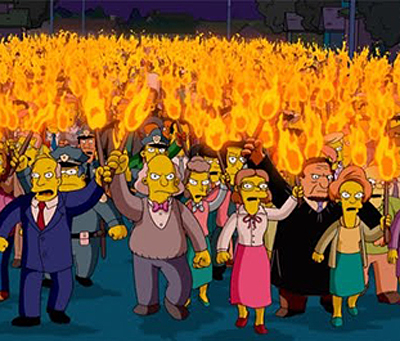 Social media can be brilliant for trans people. It enables us to find our kind of people, to learn from others’ experiences and to get support when we need it. However, social media can also be a toxic hellswamp where trans people are besieged by bigots, and if you’re seeing that daily then it’s going to make the world seem a much more wicked place.

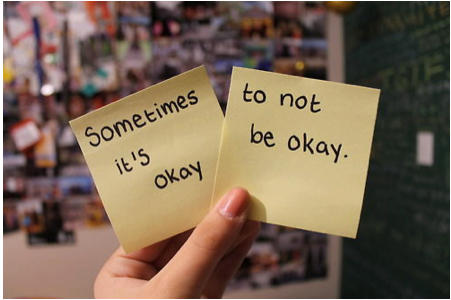 If you need help, ask for it. Being trans isn’t a mental illness, but many of us experience mental illnesses such as depression (as do many other people, of course).