What would be the worst outcome of your innermost thoughts – not literally ‘your internet history’, but it’s a decent proxy, I guess – being made public? What would be the best?
I’m thinking a lot just now about how we hold onto unvoiced concerns about ourselves, internalised, received-wisdom self-hatred that we daren’t interrogate, making them all huge and black and important… while most people wouldn’t give a damn.
The corollary to ‘everyone around you has a story as rich and deep as yours’ and the implication that this might come as a surprise is that ‘nobody around you thinks your story is particularly important’, and perhaps that can be a catalyst for honesty and growth.
I can answer some of that, because of course my darkest, most terrible secret is no longer a secret: I’m – surprise! – one of those trans people the papers warn you about. And what happens is your fear loses its power. You move from being terrified of anybody even suspecting the slightest hint of your secret to moving through the world without really giving it much thought. Fears lose their power incredibly easily.
So the glib answer is: your life gets better. Not necessarily easier, but better because living a lie is really hard work.
But that’s a pretty extreme example. What about the day to day things, the smaller things we don’t say out loud? As I responded to Chris:
…a lot of secrets are really hard work too. For example, the classic “I’m in love with them but I’m too scared to tell themâ€. I’ve lost half my life to that one :)Â
But there are also everyday ones, the things we don’t always articulate. The love we have for our partners, our friends, our children. The sadness we feel at accidental or not so accidental cruelties of others. The times we’re barely hanging on and desperately need a shoulder to lean on but can’t bring ourselves to ask.Â
[total honesty] would also mean people I quite like hearing the less pleasant things I observe about them, so it’s not all good. But my gut is that we silence more valuable stuff than bad stuff. Maybe :)
How many times have you bitten your tongue at something that’s really made you sad, or wanted to tell someone how much they matter but just went red instead?
What would happen if you stopped pretending, if you didn’t censor everything? I don’t mean not censoring anything – I’d be barred from supermarkets if I vocalised what I thought about my fellow shoppers sometimes – but the important things, the things that make you feel things.
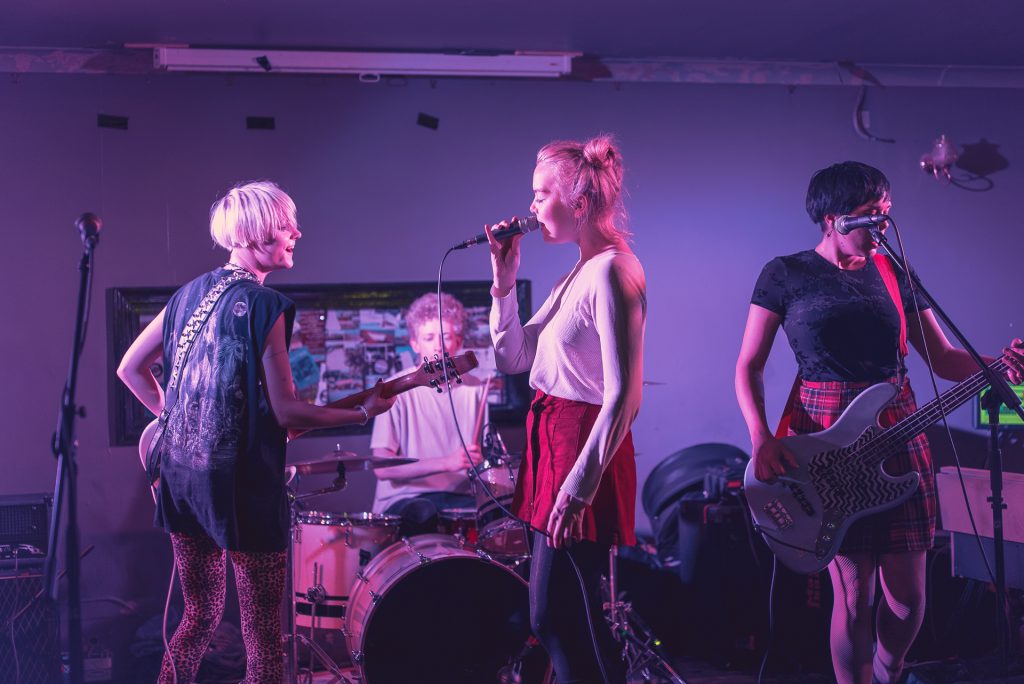
I spent many years playing in bands, and despite public demand I’ve joined another one. This time it’s different, though, because this time I won’t be presenting male. That means thinking about things I’ve never had to think about before: what I should or shouldn’t wear on stage, whether I can fake the confidence I don’t feel, how I’ll deal with abuse and/or inappropriate behaviour.
Writing on Transistor, McLeish describes a change of opinion: when she was asked a few years ago about what it’s like to be a girl in a band, she didn’t think it was a particularly big deal.
I said that it was no different from being a boy in a band, as we were, quite simply doing the same thing. I recognised the barriers between women and music careers, but ultimately, I believed that things were by far better now than they used to be.
And she was right, because things are better than they used to be. And yet…
…surely it is not unreasonable for me to be getting tired of being one of only two girls on an entire gig line-up. From what I’ve gathered, the type of music we play, and the music scene, in general, is a boy’s club. For a long time, I just didn’t think there was that many women in bands. But now I’ve learned that this is 100% not the case. We just aren’t getting booked as much as our male counterparts.
Half of all guitar purchasers are women, but that isn’t reflected on stages. Festival line-ups are often embarrassingly male-dominated, and the same patterns filter down to the smallest clubs.
Putting on a line-up where the only thing the bands have in common is having a female band member isn’t helpful either. It’s tokenism.
Would you describe a band of guys with a male lead singer as “male fronted?†No, no one would say this, because sadly the assumption is that musicians are male. Surely, it’s not fair then to disregard women’s songwriting and their art, and just make it about their gender?
Musically, there is very little commonality between, say, Petrol Girls, St Vincent, Wolf Alice and Kathryn Joseph. And yet all too often women are reduced to their gender in a way male artists aren’t. Boys are classified by genre. And boys don’t have to worry about being objectified by audiences in the way girls do.
Whenever I play gigs, I feel the need to dress up in my coolest clothes and wear lots of makeup. It’s that constant pressure to look good that affects so many women in bands, and a lot of the time it matters more than what the music sounds like sadly. Of course, boys in bands are scrutinised for how they look too, and there is, of course, an expectation for them to look cool. But for female musicians, it almost seems like they’re there to be sex symbols, and their music is secondary.
The music business has long been sexist, and often misogynist. If they’re allowed to be more than just eye candy to look lovingly at the male performers, women artists have long been packaged with their sexuality first and their art second. That’s something that’s still very much in evidence today.
The treatment of women by male artists and the predominantly male people at every level from roadie to A&R rep has been famously bad. I could make my point pretty clear by listing just a few of the songs about “young girls” in which older men sing about the joys of statutory rape, or the underage lovers of your favourite rock stars or DJs. Or listing some of the court cases where powerful music business figures have exploited female artists both economically and sexually, sometimes simultaneously.
I’m constantly amazed there hasn’t been a #metoo for the music business. I suspect it’s because there’s just too much of it, the prospect of swimming against the tide must seem incredibly daunting. And once again, we’re not just talking boardrooms and limos here. We’re talking the toilet circuit of tiny venues and local radio showcases. I’ve played plenty of shows where I’ve seen appalling behaviour towards women musicians by DJs, by promoters, by audiences and by other bands’ members, and to my great shame like everybody else I said and did nothing.
McLeish has two important questions, to which her answers are “not yet”:
Are gigs safe spaces for women and girls?
Are women musicians respected and recognised for their art?
Neither of these issues are insoluble. Representation is a huge part of it. If you have more diverse people writing about music, promoting music, playing music, then it becomes less of a skinny white boys’ club. And it means things that were previously just seen as “just the way it is” can be changed.
Dream Wife. Image: Wikipedia
Here’s an example. A few weeks ago I went to see Dream Wife, a pop/punk band that’s generating a lot of buzz. And very early in the show, they stopped and asked the audience to do something very simple:
Look behind you. If the person behind you is smaller than you, swap places.
And the audience looked, and they swapped places. And it was brilliant. The largely female crowd was actually able to see the show without having to try and see past hulking great blokes (and hulking great trans women; I stayed at the bar because I’m massive); the guys’ enjoyment of the gig wasn’t affected one tiny bit.
Why doesn’t that happen at every gig?
I go to loads of gigs, and it’s become really clear that the more female and fabulous the crowd, the better the atmosphere. If you go and see, say, queer punk band Queen Zee it’s a riot of cis and trans, straight and gay folks all bouncing around together. Go and see a band popular with middle-aged men and everybody’s angry-pissed, territorial and furious.
When did we collectively decide that it was okay for men to use their physicality to block the view of people who are typically smaller and socialised to be less aggressive than them?
The venue (Glasgow’s SWG3) was also plastered with posters telling attendees to report any abuse or inappropriate behaviour, and on a purely practical level it had sufficient toilets for the girls as well as the boys.
Why doesn’t that describe every venue?
And then, of course, there’s the sexual assault.
The existence of campaigns such as Safe Gigs for Women should shame us all. The group’s statement regarding this year’s festival season was sobering: they note that at many festivals “there are bands and artists who are accused or convicted of domestic abuse, physical abuse, sexual abuse, or rape… Some are accused or have admitted to inappropriate behaviour with fans. Some may have songs that are anti-woman or pro-abuse.”
It’s not enough to change the physical environment at gigs, although adopting guidelines such as the White Ribbon Project’s Safe Gigs advice for venues of all sizes would be a big step in the right direction. We need to address the wider culture too. Respect for all women, onstage and off, should be the rule, not the exception.
Update:
My friend Professor Batty writes from Reykjavik, where he’s been at the Iceland Airwaves music festival. The ratio of men to women performers? 1:1. The ratio of male to female event workers? Also 1:1. “I have seen the future, and I like what I see,” he says.
This is Gangstagrass, a band that combines bluegrass and hip-hop. I came to mock, because bluegrass is the music of yokels with bad teeth, but it’s really quite wonderful. The combination works both musically and thematically: both genres of music come from people at the very bottom of the heap, from the poorest working class white and black people respectively.
There’s something similar going on in the music of former House of Pain member Everlast, although in his case the working class genre he went for was blues rather than bluegrass. This is pretty old but I love it.
I’ll come back to the subject in more depth some time later, but this reminds me that one of the things I’m not proud of is a kind of class snobbery I have about country music: it brings so many negative connotations, and I have no doubt that as a result I’ve missed out on some wonderful musical experiences in the same way people who dismiss pop music have missed the magic of, say, Robyn or Carly Rae Jepsen.
I’m trying very hard to burst out of my self-imposed cultural bubble and experience things I’d normally dismiss out of hand: one of my most recent bookings is to see Scottish Ballet doing The Crucible, combining two art forms I haven’t experienced: ballet and theatre. So don’t be too surprised if you see me down the front of the Grand Old Opry some time soon.
It’s not perfect. Private schools are exempt. But if you aren’t LGBT and didn’t go to school in the era of Section 28, it’s hard to express just how incredibly big a deal this is.
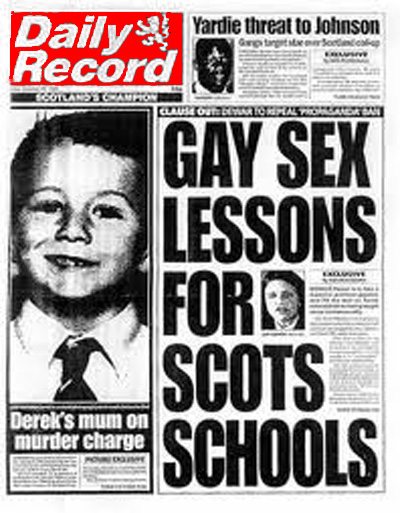
The Daily Record, Scotland’s favourite newspaper. This nonsense, which is bad enough, was over Section 28 repeal in 2000: things were even more toxic in the 1980s.
When I went to school, 70% of people thought LGBT people were abominations. The Government, aided and abetted by the tabloids, deliberately fostered anti-gay prejudice of the “they are coming for your children” variety. I’ve written more about that era here.
Section 28 made it illegal for local authorities – who ran state schools – to “promote the teaching in any maintained school of the acceptability of homosexuality as a pretended family relationship.” By “promote”, the legislation meant “describe”. LGBT kids didn’t get proper sex and relationship education and many in-school support groups shut down fearing prosecution.
And now, we have our government vowing to protect LGBT kids and putting measures in place to do just that.
Tie Campaign co-founder Jordan Daly said: “After three years of campaigning, we are delighted that LGBT-inclusive education will now become a reality in all of Scotland’s state schools.
“This means that all young people will learn about the LGBT community; their contributions to our society, the history of our equal rights movements, and the impact of homophobic, biphobic, and transphobic prejudice and bullying.
“The implementation of LGBT-inclusive education across all state schools is a world first, and in a time of global uncertainty, this sends a strong and clear message to LGBT young people that they are valued here in Scotland.
This will save lives. I love this country so much sometimes.
INT: A MEETING ROOM - DAY
A small group of people sit on plastic chairs. Some are young; some are very old. One of them coughs and stands.
CARRIE (visibly nervous):Â
Hi everyone. My name's Carrie and I... I...
YOUNG WOMAN:
It's okay, Carrie. You can do this. Be strong!
CARRIE (sobbing):
My name's Carrie and I have a... a... a ukulele.
I like ukuleles. They’re fun little things, like baby guitars. Because they use a different tuning to guitars they’re cool songwriting tools – stripped of your usual reference points you can’t just play the same old stuff – and in the hands of someone like Peter Buck they help make some really gorgeous music such as a lot of R.E.M.’s Automatic For The People (although Losing My Religion was played on mandolin, which is similar but tuned differently).
But people really hate them. Otherwise nice, normal, well-adjusted people go a funny red colour when you talk about ukulele music; others visibly blanch at the suggestion you might play one anywhere near them?
Why?
I think there are several reasons. First up, there are hipsters. People being quirky in a really performative way are intensely irritating, and sadly playing a ukulele is an easy way to be quirky in a really performative way. It’s the John Lewis Xmas ad made flesh, your favourite indie song played by some wanker on a tiny ten-quid instrument.
Secondly: Tories. Mumford and Sons probably have entire mansions full of ukuleles.
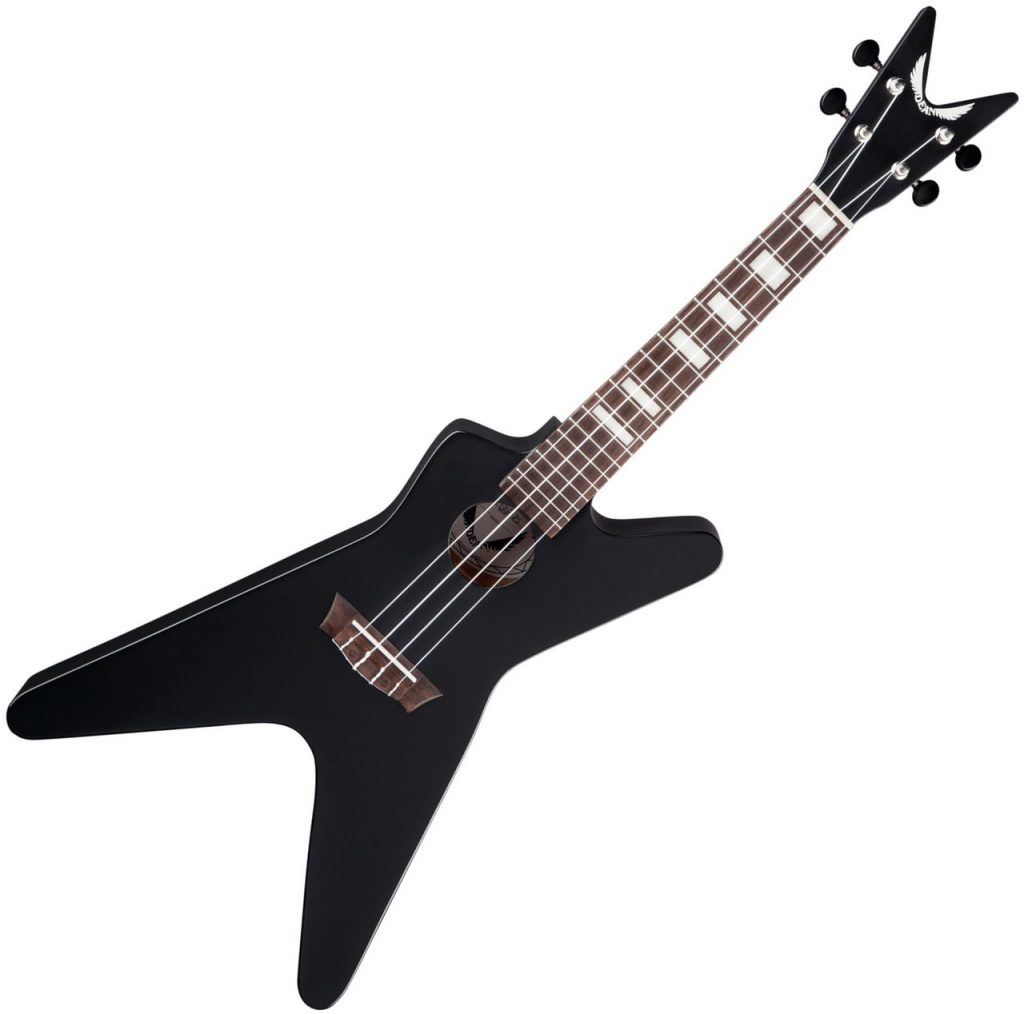
Thirdly: it’s a bit naff. That’s something manufacturers have actually exploited: there have been ukuleles shaped as Gibson Les Pauls and as Flying V guitars by firms that were clearly taking the piss.
Fourthly, and this is mainly a UK thing, George Formby. You’ve got to love a country that’s still annoyed about a popular entertainer from the 1940s. And he’s got a bad rap because the world of popular entertainment was a lot more innocent back then. Give me enough gin and I’ll argue that Formby was the Sex Pistols of his era: not only was his one-man act about as DIY as you can get, but his banjo ukulele-powered The Window Cleaner was banned for its horrific smut.
There’s no doubt that in the wrong hands, the ukulele can be a terrible thing. I deeply traumatised some friends the other day by sending them a YouTube clip of a man doing a very bad cover of Morrissey’s Suedehead on a ukulele.
But in the right hands, they’re great. I wrote a song on one the other day, and while that particular song is now an extremely vicious-sounding guitar stomper, the original demo of ukulele and acoustic guitar was really warm and lovely.
Never mind me, though. I’m rubbish. Check out this guy playing Leonard Cohen’s Hallelujah.
His name is Jake Shimabukuro. Isn’t he great?
And here’s Pearl Jam frontman Eddie Vedder.
The ukulele has a fascinating history. It’s the descendant of an instrument called the machete and travelled to the US from Portugal via the Hawaiian Royal Family. It caused a craze in 1920s America, where it felt like an exotic novelty, and became associated with that most sleazy of all genres, jazz. Things were going just great until the Wall Street crash.
While the US lost interest, UK performers embraced the same banjo ukulele that George Formby would make famous, and after WWII the arrival of mass market manufacturing led to a second US ukulele craze, this time with plastic instruments sold to kids. The figurehead of the second ukulele boom was Tiny Tim, and that’s where it all went wrong.
Here’s what I mean.
With George Formby on one side of The Atlantic and Tiny Tim on the other, the ukulele’s cool was irreparably dented. And it’s been that way ever since, with the good efforts of bands such as The Magnetic Fields drowned out by the finger-in-one-ear bullshit of Mumford and Sons and their many terrible imitators.
Here’s The Magnetic Fields with This Little Ukulele:
I think it’s a real shame that the ukulele has fallen out of favour. It’s a brilliantly cheap way to make music (it costs a fraction of what you’d pay for a guitar), it’s a doddle to learn, it’s brilliant for kids and it’s capable of genuine magic.
It’s 2018 and a publicity-seeking entrepreneur embarks on a high-profile court case.
“If it’s okay for black men to marry white women, then it should be OK for me to marry my pet pig,” he chuckles. Newspapers and radio make it their light-hearted story of the week.
No? Let’s try this one.
It’s 2018 and a publicity-seeking entrepreneur embarks on a high-profile court case.
“If it’s okay for lesbian women to marry, then it should be OK for me to marry my dog,” he sniggers. Newspapers and radio make it their light-hearted story of the week.
No?
It’s 2018 and a publicity-seeking entrepreneur embarks on a high-profile court case.
“If it’s okay for disabled people to get special parking spaces, then it should be OK for me to identify as disabled,” he snorts. Newspapers and radio make it their light-hearted story of the week.
Still not with me?
It’s 2018 and a publicity-seeking entrepreneur embarks on a high-profile court case.
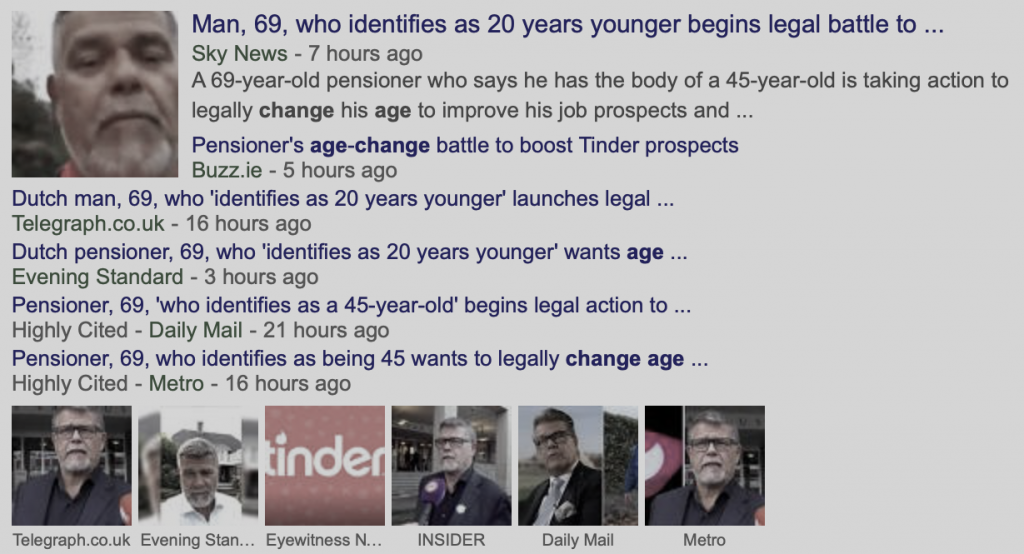
“If it’s okay for trans people to change their legal genders, then it should be OK for me to change my legal date of birth,” he snorts. Newspapers and radio make it their light-hearted story of the week.
That one happened.
The guy’s intent doesn’t matter; it’s irrelevant whether he genuinely feels hard done by or if he’s using this to promote something. There is no substantive difference between the coverage of this story and repeating the “I identify as an attack helicopter” abuse trans people get on social media. It reinforces the trope that trans people are tricksters or mentally ill, that legal gender is something people change on a whim.
Last month, the extremely dodgy anti-trans group Fair Play For Women dropped a five-figure sum on a full page advert in the Metro claiming that reforms to the Gender Recognition Act would threaten women’s safety. It was cynical. It was designed to whip up hatred. And it was absolute bullshit.
Some of us complained to the Advertising Standards Agency, which regulates print advertising. They’ve just sent me their verdict.
With regards to the complaint you made, also along with several other complainants, we understand that you are concerned that the ad misleadingly implied that women will be at risk as a result of the Gender Recognition Act consultation. After assessing the ad in light of this concern, we think it may have broken the Advertising Rules on misleadingness and we have taken steps the address this.
Unfortunately the verdict is irrelevant and the steps – telling the group not to make such claims again – are pointless. The advertisement ran, the government consultation is now closed. Trans people were silenced; unfortunately the bigots weren’t.
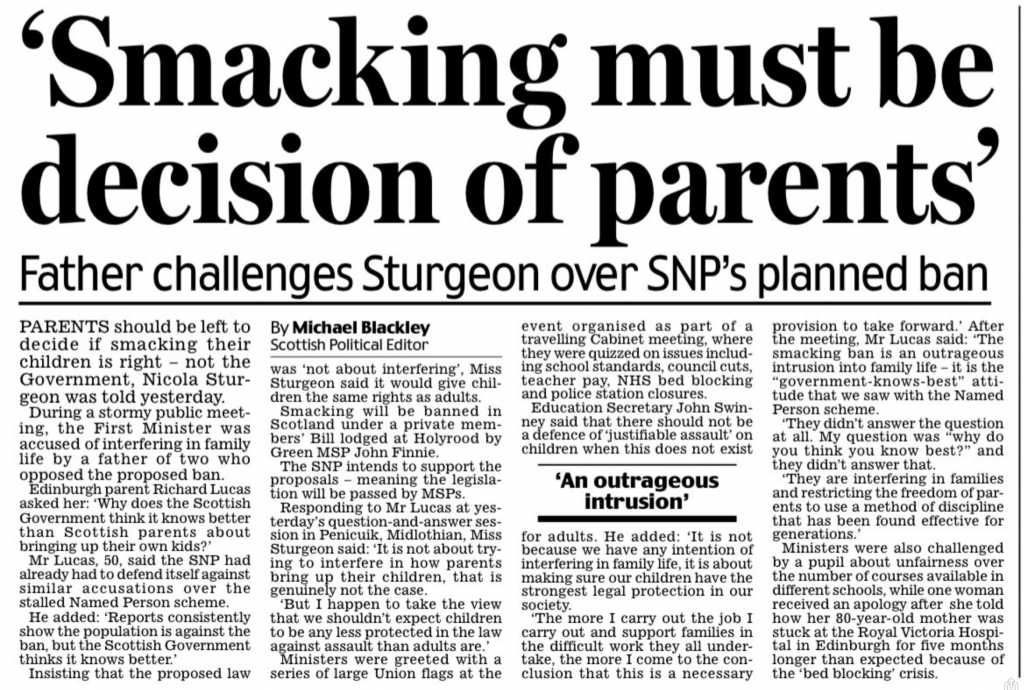
When is “random person has an opinion” news? When it’s a “concerned parent”. This is from yesterday’s Scottish Daily Mail.
The text describes how a “father-of-two” criticised the First Minister. “Edinburgh parent Richard Lucas…”
Now, Mr Lucas is indeed a parent. But he also has another role. He’s the head of the ultra-right wing Scottish Family Party. He left UKIP to create the party in order to “fill the void” left by the abandonment of “Judeo-Christian-inspired values of traditional Western civilisation”.
Their (or more likely, his: we’re not talking a mass movement here. The party has fewer than 2,000 Facebook followers) policies include getting gay people counselling to stop them being gay, to stop golf clubs being forced to admit women and to battle the evils of “feminist orthodoxy” and human rights. The party hates trans people and gay people and feminists and immigrants and women’s reproductive freedom and all the other right wing hate figures and argues that right-wing bigots should be legally allowed to beat their children and discriminate against anyone they disapprove of.
In other words, he’s a fruitcake who should be fired into the sun, the kind of arsehole who finds a home writing columns for the Glasgow Herald.
Or if you prefer pictures:
None of that, as you can see, made it into the Mail article. He’s just a reasonable parent with no particular axe to grind.
This is despicable journalism, and there’s a lot of it around. All too often people who run pressure groups are allowed to present themselves as ordinary people, and the journalists either don’t bother to find out who they are – which is shoddy journalism – or they know and keep it from their readers, in which case they’re no longer journalists but propagandists.
It happens on radio too, phone-ins populated by ordinary people who forget to mention that they’re councillors or candidates or head of fundraising for political parties or pressure groups. And you get it on shows such as Question Time, where representatives from “think tanks”, aka pressure groups with shadowy funding, advance the agendas of their paymasters.
This simply isn’t good enough. It’s poisoning the well of genuine debate and in many cases it’s giving bigots a platform they would be denied if their true affiliations were made clear.
Time for our next caller. Adolf is a painter from Braunau Am Inn, and he’s got some interesting views on the subject of immigration.
On the verses she trips across syllables like skipping stones and chews vowels like gum — an affectation that’s spawned no end of affectionate memes. On the pre-chorus, she switches to the sloshed gutters of her low register, Auto-Tune bubbling off the vocal like a Poliça record. On the chorus — a big one — she belts loud, but it’s not the immaculate belt of a Whitney Houston, but one with exertion and rasp, strain and push (in the spinto sense, pushing away air). Where traditional divas’ voices sound like centers of gravity, Sia sounds like she’s fighting against gravity itself. She’s singing about it, too; the chorus doesn’t end with a big high note, but an almost-mumbled oath: “holding on for dear life.”
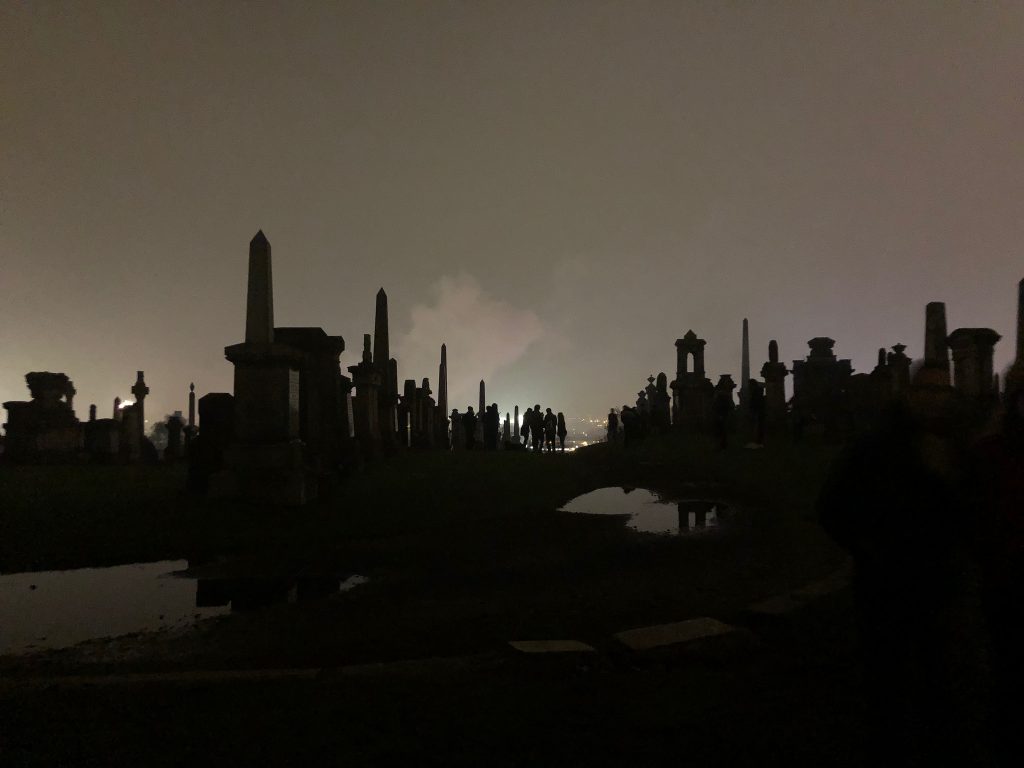
This is Glasgow’s city of the dead, the Necropolis. It’s also a brilliant place to watch fireworks, which is what the people in the photo were doing last night. I love this shot, it looks more like I’ve stumbled upon some kind of ritual.
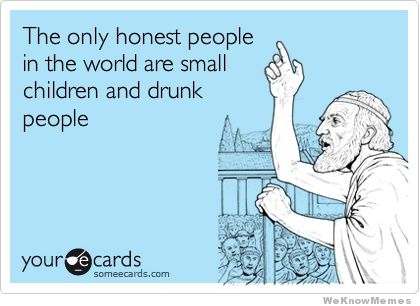 My friend Chris posted an interesting question on Twitter last night.