Author: Carrie

  • Instant Pot, Instant Pot, how much do I like it? Quite a lot

    I know what people want to read about: while this is supposedly a blog about me, bad jokes, technology and music, the most popular post I’ve ever published here is a post I wrote 13 years ago about a defrosting plate.

    I laughed the other day when I saw a Kickstarter campaign for one, presumably by people who thought they’d invented it. No amount of millennial cool or fast-cut editing can disguise the fact that it’s the same block of aluminium you can buy for a tenner, albeit with some extra lime-green plastic around it.

    Anyway. I like kitchen gadgets. You clearly like kitchen gadgets. And now The Guardian’s written about my very favourite kitchen gadget, the Instant Pot.

    Emma Brockes writes:

    the Instant Pot is to this decade what yogurt makers were to the 70s, SodaStream to the 80s and bread-makers to the 90s; that is, kitchen devices invested with magical, life-altering qualities.

    She’s right. There are entire communities devoted to it, and food site The Kitchn has gone absolutely mad for it. But while the hype is a bit silly, it’s genuinely one of the best things I’ve ever bought: slow cooking without the slow, roast chicken without the roasting, all kinds of great food without a pile of pots and pans to clean afterwards. It’s particularly great if you live in a flat or have a small kitchen, because it replaces a whole bunch of devices: slow cooker, pressure cooker, rice cooker, enormous stock pot and so on.

    Just one bit of advice: never pay the RRP. Amazon in particular discounts it all the time, and not just on Black Friday. I’d strongly advise using CamelCamelCamel to check the price history and make sure you’re buying it as cheaply as possible.

    On the subject of Black Friday, I bought a Sous Vide cooker on the BF just gone. I haven’t actually used it yet, but I will soon and I’ll report back.

  • That’s not really funny

    I was chatting with a comedian pal about comedy last night: we both went to see Chris Rock last week, and it turns out we’ve been to a lot of the same comedy shows over the years.

    One of the things we talked about was Rock’s rage, where he’d take things out of the audience’s comfort zone: comedy as polemic, speaking truth to power. You’re uncomfortable because you should be uncomfortable. The comedian’s making you think about something too many of us don’t think about. Rock excels at that.

    We also talked about Rock’s supports, two of whom made jokes about trans people. This is not unusual: it seems that every comedian has a couple of trans jokes at the moment. But while it isn’t unusual, its ubiquity is pretty tiring. It’s not much fun to have people like you as the butt of the joke at every gig you go to whether it’s a comedy club with 100 people or a hall with 10,000.

    It’s tiring because it doesn’t just happen on stage. That particular day started with anti-trans hit pieces in a couple of national newspapers, and involved the usual toxic anti-trans crap on social media. To then have some extra trans stuff on a gig you’ve been looking forward to for ages brings out the Sinister Transgender Agenda, which is: give us a bloody break, will you?

    I don’t have a problem with trans jokes. But I hate lazy stereotypes being sold as jokes. All too often, “Haha! Trans!” is the punchline.

    Chris Rock’s first support, a man whose name I can’t remember, was a good example of that: he did a couple of throwaway trans jokes where trans was the punchline. Trans people may be topical but these jokes weren’t: one could have come from 1974, and another was about Caitlyn Jenner (who the comedian called Bruce throughout).
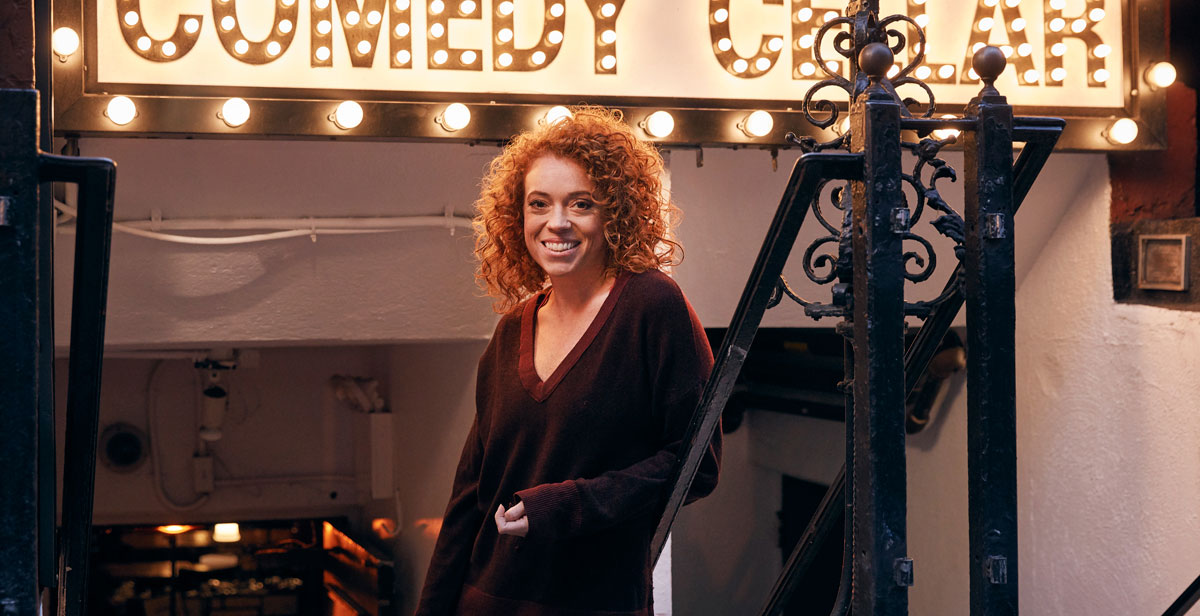
    The second support, Michelle Wolf, was completely different. When she mentioned trans people in bathrooms I got the familiar sinking feeling, but she used it as the setup, not the punchline: she went into a routine about why it’s not trans women but overly nice men who scare her and then into eye-watering detail about bathrooms, bodily functions and how she deals with unwanted attention.

    Still trans. Still topical. But funny. Really, really funny.

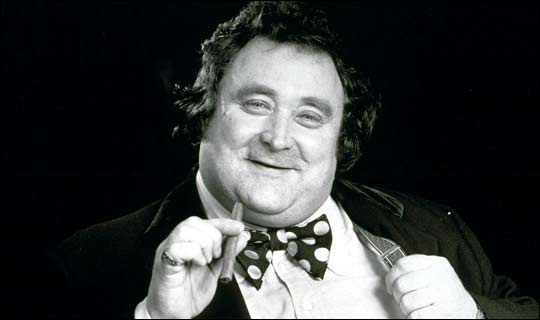
    It’s the difference between Bernard Manning or Roy Chubby Brown and Frankie Boyle. They’re all incredibly offensive comedians, but Manning and Brown were/are also incredibly lazy comedians. They cater for the kind of people who find the word “poof”, “cunt” or “tranny” hilarious, and their comedy is little more than a ticketed version of drunken arseholes yelling at people in the street. Boyle’s offensive too, but he’s much cleverer and works much harder. In a typical set he’ll cover geopolitics, institutionalised racism, war crimes and how we’re trashing the planet. The offence is there to make these things funny.

    Doug Stanhope is one of many comedians that wobbles between the boundary-breaking and the lazily abusive, I think. In a 2011 review, The Guardian’s comedy critic Brian Logan put it very well:

    When his scorn and loathing is intelligently applied, he tears away the veil of socialised politesse, revealing the world at its atavistic, carnal purest. But these days, his hatred is often indiscriminately applied, and his intelligence less frequently engaged… Stanhope’s despairing idealism slumps into nihilism, while the many parties worthy of his furious, filthy comedy get off scot-free.

    I think context and intent make all the difference. So it’s interesting to think about a comedian whose material didn’t really change but whose apparent intent did, and whose context definitely did: Jerry Sadowitz.

    It turns out that my comedian pal and I had been to the same Jerry Sadowitz gigs in Glasgow several years ago. Sadowitz is famously unbroadcastable due to his really offensive act: not caring whether people are comfortable with what you say is a good way to become a pariah in broadcasting, and his truth-to-power routines about Jimmy Savile were not welcomed: people chose to believe in Savile, not Sadowitz.

    You can understand why he might be bitter.

    The first show we saw of his comeback after some years in the wilderness was phenomenal. Comedy gold. Most of it was horrific, unrepeatable but quite clearly a persona: if you thought he meant it, if you agreed with it, the joke was on you.
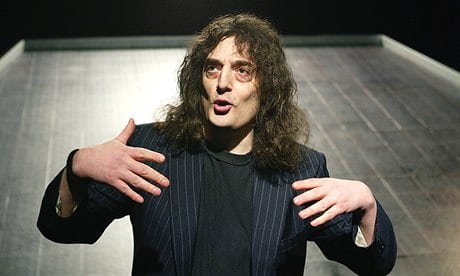
    A year later we saw him again. Same venue, same horror, same offence. But word had spread, the venue was more full and the crowd was very different. The previous year it had been very student, left-wing, Guardian reading: the kind of people who also go to see Stewart Lee. This time out the crowd was older, more male, more angry. Where previously the laughs were gasps – did he really just say what I think he just said? – this time around people were cheering and shouting “fucking right!” at the very worst things Sadowitz was saying.

    Sadowitz didn’t call them on it, or pull the rug from under them. It was one of the most unpleasant gigs I’ve ever experienced, and my comedy friend and the people he was at the show with felt the same. It felt like some kind of EDL benefit gig, not taboo-busting comedy. Neither of us have been to see Sadowitz since.

    That wasn’t political correctness gone mad, and nobody’s saying Sadowitz should be censored (he’s playing the Glasgow Comedy Festival this year, if you’re interested). It’s just pointing out that context matters.

    Sadowitz is an extreme example, of course. But context is still important.

    Back to Chris Rock’s supports. Comedy gigs don’t happen in isolation; they’re part of the wider culture, and of course they’re only a part of your day. So the sinking feeling I get when a comedian makes a “Haha! Trans!” joke isn’t me desperate to take offence (I’m a parent too, and one of the other supports did a fantastically funny routine about dropping babies, quite possibly one of the most offensive subjects imaginable. I howled). It’s because I started my day seeing anti-trans pieces in the newspapers. I spent my day seeing various anti-trans things on social media. And I see anti-trans cartoons in magazines I used to look forward to reading.

    Individually these things are minor, but they’re minor in the way Chinese Water Torture is minor. It’s not the drips. It’s that they don’t bloody stop.

    Just after Christmas I wrote a letter to Private Eye, a magazine I’ve loved since my teens and subscribed to since my twenties. I’d been meaning to do it for some weeks because it was contributing to the drip, drip, drip: it seemed that every issue there’d be a cartoon, satirical piece or both where the punchline was effectively “Haha! Trans!” It’s not a surprise – the Eye has a giggling public schoolboy persona, and gay/bi jokes sneak in from time to time too – but I think it’s lazy. So I wrote to suggest that being on the same side as Richard Littlejohn, who called trans people “dimbos in dresses” this week, wasn’t a good look and – to use the same lazy punchline many of the pieces had used – I “identified as” disappointed.

    I got a reply in the following issue from an angry, self-declared “tranny” – a word most trans people don’t like, let alone use, because it’s usually yelled or tweeted by bigots – who thought I was a hypocrite demanding censorship of a cartoon she thought was quite funny. My letter hadn’t mentioned any specific cartoon (and wasn’t about the one she mentioned) and her reply completely missed the point.

    My point is pretty simple: it isn’t 1971 any more.

    I’m picking 1971 for a good reason: it’s when the infamous UK comedy programme The Comedians was first broadcast. The series ran until 1985 and simply wouldn’t be broadcast today: very many of the jokes were racist, misogynist or homophobic. And that’s an understatement.
    Lenny Henry recalls one of the regular guests, black comedian Charlie Williams:

    “Charlie told a lot of ‘darkie jokes’. ‘I’ve been left in the oven too long’ or ‘I’m perspiring a lot, I’m leaking chocolate’ – which were very stupid and very immature. I remember doing a show in Hull and a guy shouting out ‘Oi! You’ve got to do jokes like Charlie Williams. That’s the kind of thing we expect from black comedians up here’. “I would go to see Charlie pulling the house down doing stuff about ‘darkies’ and I thought ‘this is obviously what you’ve got to do if it’s a predominantly white audience – you’ve got to put yourself, and other people, down’.”

    Another star of the programme, the aforementioned Bernard Manning, was a self-confessed racist whose material largely involved lazy stereotypes of black, asian and gay people and who repeatedly used words most of us won’t even print today.

    1971 is relevant to taboo-busting comedy in another way: while Manning and his pals were peddling racism and Charlie Williams was playing along, on the other side of the Atlantic one of comedy’s genuine boundary-breakers, Richard Pryor, was beginning to move from cosy, family-friendly fare to something much more important and for many audiences, frightening and offensive.

    Comparing Pryor to Manning is like comparing diamonds to dogshit (white dogshit, naturally. It was the 70s).

    I’m not asking to censor anything. I haven’t cancelled any subscriptions, and I haven’t stopped or considered stopping going to comedy shows. I’m just asking comedians, whether they’re stand-ups or cartoonists or satirists, to consider the wider context of the joke.

    Are they comedians, or The Comedians?

  • Ask me anything

    I’ve been chatting with Common Space editor and Sunday Herald columnist Angela Haggerty about a recent barney in Scottish political twitter: some of it has descended into a trans/anti-trans argument where everybody’s shouting at everybody else and nobody’s listening to anybody. As she wrote on Twitter, wishing people would “please stop ripping each other apart”:

    Asking questions, even stupid ones, doesn’t make a person transphobic.

    She’s absolutely right, of course. But unfortunately “just asking questions”, or JAQing off as it’s also known, is a known tactic of arseholes such as Glenn Beck and the alt-right. As a result, some trans people / trans allies see a trans-related argument, assume that that’s what they’re seeing and go in with all guns blazing.

    As RationalWiki explains:

    Just asking questions (also known as JAQ-ing off) is a way of attempting to make wild accusations acceptable (and hopefully not legally actionable) by framing them as questions rather than statements. It shifts the burden of proof to one’s opponent — rather than laboriously having to prove that all politicians are reptoid scum, one can pull out one single odd piece of evidence and force the opponent to explain why the evidence is wrong.

    The tactic is closely related to loaded questions or leading questions (which are usually employed when using it), Gish Gallops (when asking a huge number of rapid-fire questions without regard for the answers) and Argumentum ad nauseam (when asking the same question over and over in an attempt to overwhelm refutations).

    These tactics are all used repeatedly by anti-feminist trolls, far-right trolls and anti-LGBT trolls too.

    The sheer volume of it means that more often than not, when people are just asking questions of feminists, of activists or of ordinary LGBT people they aren’t doing it out of curiosity. The questions are statements disguised as questions, moves in a game that’s been planned and played a thousand times, key words and phrases repeated again and again.

    It usually goes a bit like this:

    Troll: Why are you silencing women?
    Trans person: Er, we’re not. Actually it’s trans people who are be–
    Troll: Why do you support women being murdered?
    Trans person: Eh? I don–
    Troll: Why do you hate women so much?

    It’s frustrating and infuriating, not least because if you get wound up by the aggressive idiocy of it all and respond angrily you’re the one who comes across as an unreasonable hothead.

    And equally frustrating and infuriating, it can mean you interpret a genuine question as something with malign intent, coming across once again as an unreasonable hothead and this time losing a potential ally.

    Maybe the answer is to realise that when the trolls move in, the opportunity to make any kind of sense has already moved on. As Haggerty suggested to me:

    Ignore the trolls and bigots, make the positive points, don’t get pulled into arguments, build relationships with people who show a willingness to listen. That’s leading by example and can have a strong impact.

    It’s good advice. I have no time for trolls, I mute the JAQ lot on Twitter and I’ve come to realise that arguing however nicely with bigots is the proverbial pig wrestling: you just get dirty and the pig likes it.

    But over the last couple of weeks I’ve also had several conversations with people who don’t know much about trans stuff, who knew about trans men but not trans women, who had questions about name changes etc… all of them just asking questions, but genuine questions. Those conversations were interesting, educational (for me!) and often really, really funny.

    If you’re a genuine person with genuine questions you can ask me anything about anything. Especially if you buy me a drink first.

  • A disturbance in the force

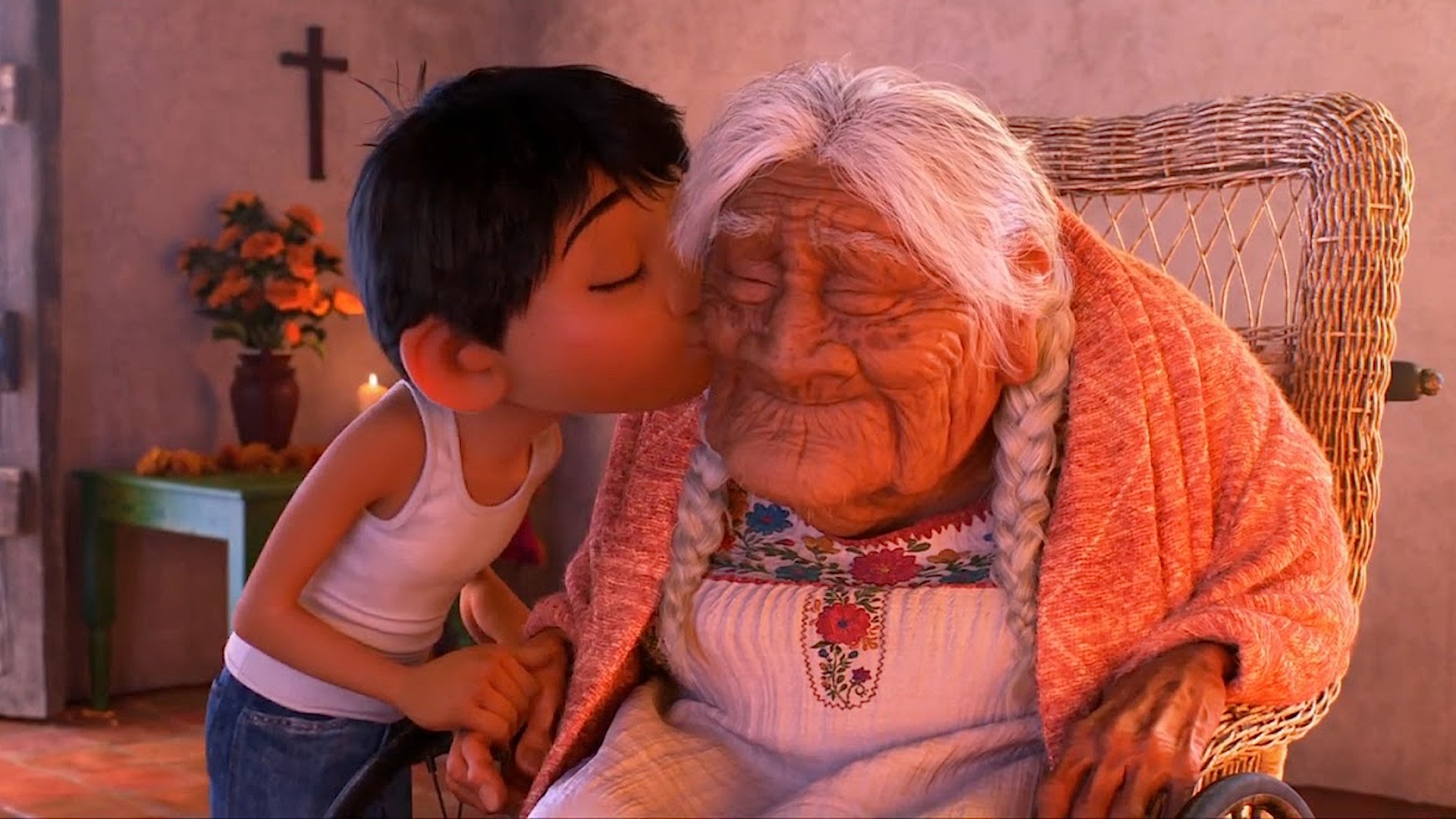
    I took the kids to see the latest Pixar movie, Coco, yesterday. It’s a great film with a typically Pixar emotional punch (yes, I cried) and some truly exceptional CG, and it’s notable for being set in Mexico and based on Mexican folklore.

    It’s interesting to discover what went on away from the computers. The film was initially greeted with great concern by Latino commentators, not least because Pixar’s owner Disney initially attempted to trademark “Día de los Muertos” – Day of the Dead. The thought of the House of Mouse appropriating Mexican culture wasn’t exactly a happy one.

    Pixar responded to the concerns in a very Pixar way: it hired its most vocal critics, not for PR gloss but to ensure that it didn’t screw up. A group including artist Lalo Alcaraz, playwright Octavio Solis and former Mexican Heritage Corp. CEO Marcela Davison Aviles acted as cultural consultants for the film.

    The result? It quickly became the second-highest-grossing animated film in the history of the Mexican film market (the first was Toy Story 3). And it’s a really good film.

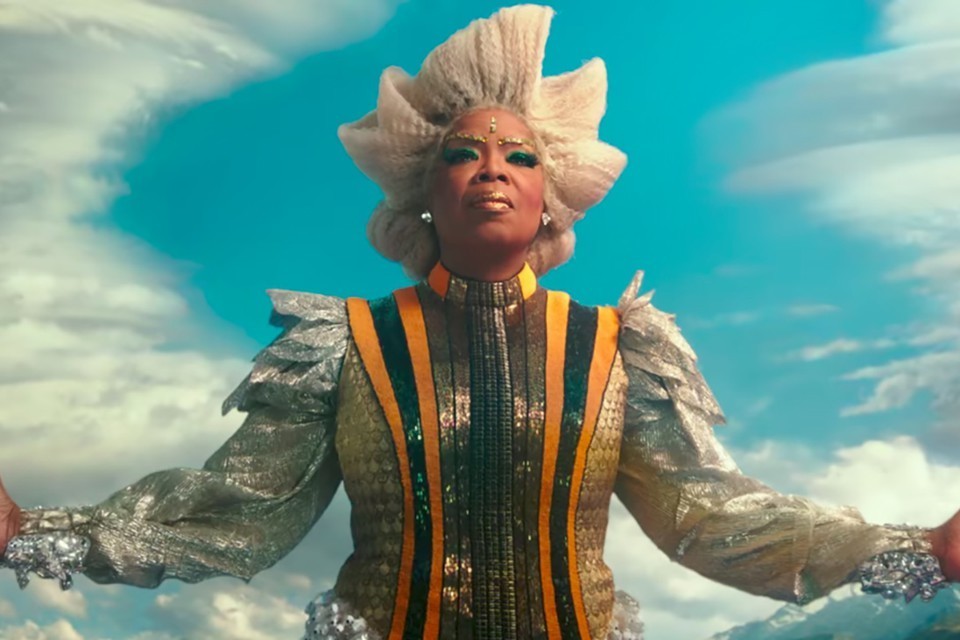
    While I was waiting for it to come on, there was a trailer for the forthcoming A Wrinkle in Time, a live action fantasy with some serious star power among the inevitable CGI. And it took me a moment to realise what was unusual about the trailer.

    It had people of colour in it.

    Not as a statement — for example, something like Black Panther, which is also being trailed in the cinema at the moment, is a film specifically about a black superhero — or as sidekicks. But as the main characters.

    As Latonya Pennington writes:

    Not only do we get a Black female protagonist played by Storm Reid, but we also get Oprah Winfrey and Mindy Kaling in prominent roles.

    …When the trailer for “A Wrinkle in Time” was first released, my eyes grew wide, my heart swelled with excitement, and I smiled so big. I’ve loved fantasy fiction since I was a kid and seeing that trailer reminded me of the joy I felt as I devoured book after book. Although I’ve never read the book the film is based on, I’ve always longed to see more fantasy films with Black female leads.

    With the release of “A Wrinkle In Time”, young Black girls will get to see someone that looks like them be a hero.

    That’s great, obviously. But you have to wonder why in 2018 it should be in any way remarkable to see women of colour in lead roles, why kids still don’t see people like them on screen as the norm rather than the exception. It shouldn’t be notable to have actors such as Kelly Marie Tran in a Star Wars film or Tessa Thompson in Thor: Ragnarok.

    And then you read the first (and so far only) comment on Pennington’s piece.

    Are non white women really that pathetic that they need to see someone who looks like them succeeding in a fictional setting in order for them to feel better about themselves? You do realise that all your examples are fiction right? It’s not real. Quite frankly, your either a bigot for wanting to see less whites in film, or a self-hating loser whose self esteem needs to be stroked by fictional characters in order to feel better about themselves.

    Guess what colour and gender the poster is.

    Such posts are a gift to bloggers, of course, because a single “your a bigot” illustrates the problem better than 1,000 words of carefully crafted argument.

    Some people — and by people I mean straight white men people — are so used to seeing themselves on screen that when a film dares to feature people who aren’t straight white men people, or when someone who isn’t a straight white man dares to write about how great it is to see a film that isn’t written from the perspective of a straight white man, they lose their tiny little minds.

    It’s the kind of privileged thinking that leads to some clown making a version of Star Wars: The Last Jedi without “Girlz Powah and other silly stuff”. Among other things the edit removes “female officers commanding people around/having ideas”, scenes where a woman “is making some important statement” and “Leia’s nitpicking”.

    I do like Last Jedi director Rian Johnson’s Twitter response:

    (Inevitably and rather brilliantly, another user has trolled the trolls by making an edit without the men, an edit that substantially cuts down on “characters whining about not getting their way”.)

    If you can suspend your disbelief to watch films set in far-flung galaxies, films featuring people with impossible powers or films full of CGI characters but have a problem with people of colour or women in decent roles then maybe, just maybe, you’re on the dark side.

  • “Our shared progress toward a more equal society has depended on people standing together”

    The Green MSP Patrick Harvie has always struck me as a good man. He was namechecked in an anti-trans piece in Scots newspaper The National yesterday, a piece that dragged up the usual “trans people are silencing women” bullshit and accused Harvie of not listening to women.

    Harvie responded on the Scottish Greens website. It’s worth reading in full, but here’s an extract:

    Many national media outlets carry relentlessly hostile coverage, turning the argument for human rights and basic respect into a “culture war” to divide people from one another. That tactic has been used to oppose all forms of equality, time and again down the generations. Progress has been made by people standing together, supporting each other and refusing to accept that your equality or human rights are incompatible with mine.

    …Or we can do exactly what the opponents of equality always want us to do by trading my rights off against yours, yours against hers, his against theirs. If we do that, we will all lose.

    Meanwhile in America, President Trump proved Harvie’s point when his administration announced protection for religious people who don’t want to give healthcare to trans people.

    That’s any kind of care: plasters for cuts, painkillers for headaches, saving your life after a car crash.

    And it’s not just trans people. That was just the headline. The bill is also about protecting people who don’t want to give healthcare to gay people, to lesbians, to people who’ve had abortions, or to anybody else they disapprove of for any other reason. In Kentucky it’s been suggested that similar “religious freedom” legislation will also enable discrimination against interracial couples.

    NPR gives examples of recent religious exemption claims:

    a nurse who didn’t want to provide post-operative care to a woman who had an abortion, a pediatrician who declined to see a child because his parents were lesbians and a fertility doctor who didn’t want to provide services to a lesbian couple.

    At the press conference to announce the changes, acting Department of Health and Human Services secretary Eric Hargan compared what I’d call religious extremists’ hateful bigotry to the Jews slaughtered in the Holocaust and Martin Luther King’s quest for civil rights.⁠

  • Guitars that have been loved and lost

    This is a blast: from the previously mentioned Professor Batty, a blog about guitars he’s owned over the years. Discover what happened when Gibson lost its collective mind, what a “demented” guitar that shouldn’t exist is actually like to play and why he’s still got bits of the worst guitar ever made.
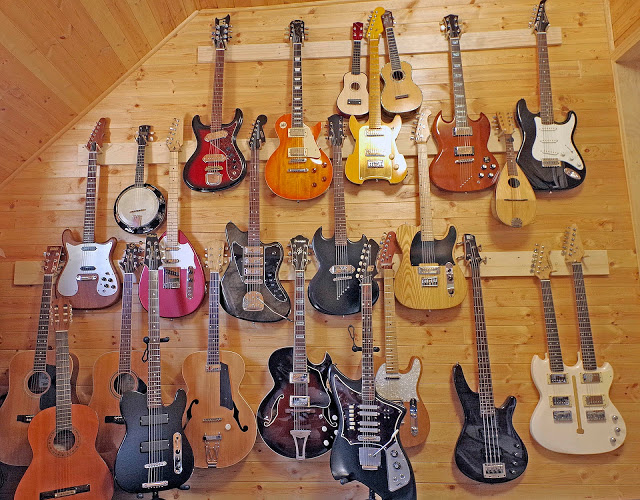
    Guitars are odd things. I can’t claim to have played, let alone owned, the variety of guitars that the good Professor has, but over the years I’ve still loved and occasionally lost the following:

    • Fender Stratocaster (two: one cheapie as a teenager, one good one now)
    • Fender Stratocaster 12-string (heavier than a mountain)
    • Various Squier Telecasters (fun and painfully trebly sometimes)
    • Fender Telecaster (a proper one; my weapon of choice during my gigging days)
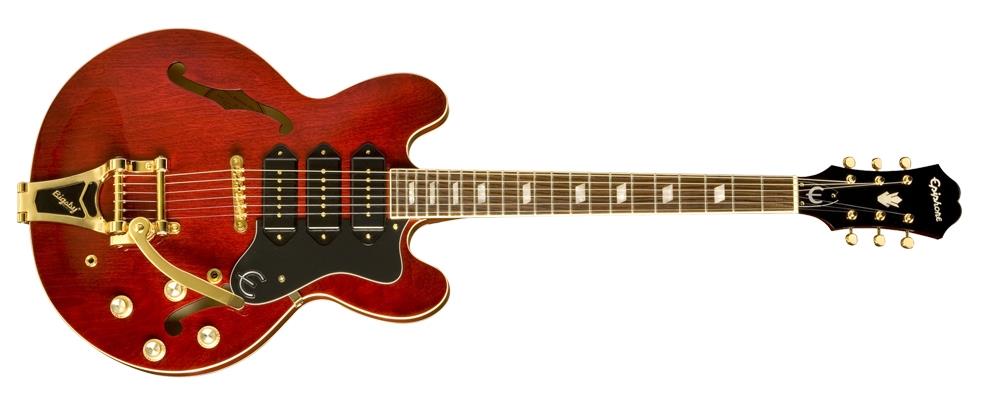
    • Epiphone Riviera (milestone birthday present: beautiful guitar)
    • Fender Jazz Bass (sold the real one years ago, have a Squier copy now)
    • Squier Precision Bass (genuinely one of the most fun things I’ve ever played, whether I’m playing bad punk or bad funk)
    • Aria Pro II Bass (a pointy purple one. It was a long time ago)
    • Enormous Epiphone Elvis acoustic (big one with what looks like a giant moustache)
    • Fender Marauder (a distinctly odd Modern Player cross between a Jaguar and a Strat. Sounds fantastic, plays great but feels like it’s made of balsa wood)
    • Yamaha Electro-Acoustic (another gigging guitar, now in the smaller hands of Girls Rock Glasgow).
    • Epiphone Les Paul Studio (currently covered in dragon stickers and played by my daughter)
    • One of those Ovation copies, a roundback acoustic made of fibreglass that sounds like you’re playing a wheelie bin

    I’m sure I’ve missed a few too.

    It all seems a bit wasteful when I’m a terrible guitar player, my lack of ability made considerably worse by RSI and subsequent carpal tunnel surgery. But musical instruments have a weird appeal whether you can play them or not, because many of them are just incredible objects. For example, here’s what my Epiphone Riviera looks like:

    Isn’t beautiful? I look at it more than I actually play it.

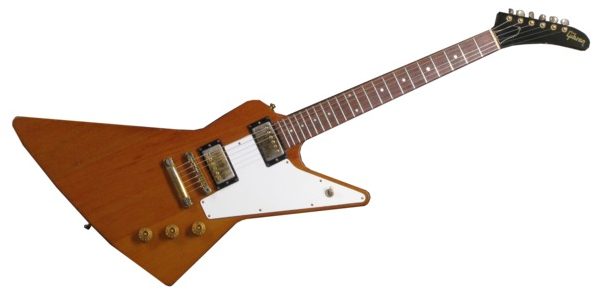
    Despite still owning more guitars than is necessary or sensible, I still find myself lusting after guitars in unrequited fashion. I particularly desire Gibson’s Explorer, a coffee table with strings often used by U2’s The Edge:

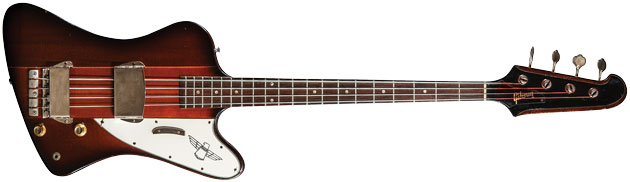
    And I’m constantly arguing with myself about the equally mad but slightly rounder Thunderbird bass, on the grounds that I already have two perfectly good bass guitars already. But look at it! It’s a spaceship with strings!

    I think it’s one of the most beautiful musical instruments ever made. It’s the work of a chap called Ray Dietrich, who designed car bodies for the likes of Lincoln, Ford and Duesenberg in the 1920s and Chrysler in the 30s, where his designs included the very pretty Airstream. As a huge fan of the subsequent craze for tailfinned cars, the Firebird guitar and Thunderbird bass really appeal to me: they were specifically designed to echo the tailfins of 50s cars.

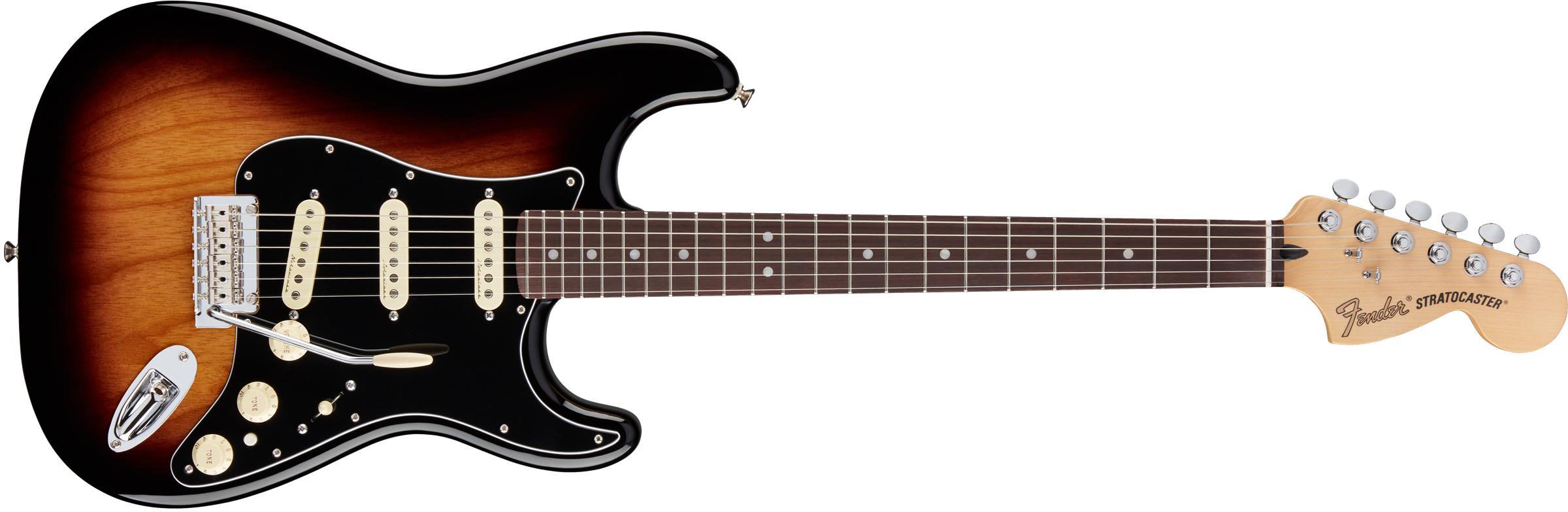
    But everybody has their favourite, and when it comes to guitars mine is the Fender Stratocaster. My one’s a Mexican reproduction of the 1960s original, but it’s a genuinely beautiful guitar to look at and to play.

    And even in my raddled hands, the noise it makes is glorious.

  • “When I arrive in Hell, the Devil will sound like a headline”

    I’m indebted to my old friend, the inimitable Professor Batty, for telling me about this excellent essay on the internet and reality and our feelings and quite a lot of other things too.

    Do it now. Fight the new pace of thinking designed to keep us in Facebook fights and make Facebook more money. Resist getting so wound up by every story that you accelerate off a cliff into apathy. Lengthen the circuit between a candid thought and your anticipation of how it will be received, a circuit constantly shrinking in fear. Try your ideas out with people you are not desperate to impress, so there’s less ego clouding your discussion.

  • On liking women

    I know, I know, another trans post. But this is really funny and packs a pretty hefty emotional punch at the end. 

    Some people reading it won’t agree at all, but it really resonated with me.

  • Don’t take nice to a gun fight

    I enjoyed this piece by Lindsay King-Miller in Rolereboot.org.

    In You Can’t Kill Racism with Kindness, King-Miller writes: 

    “My goal is not to create a country where everyone tolerates each other, agrees to disagree, and goes about their business. I cannot agree to disagree on whether poor people deserve medical care, whether black people deserve safety from police brutality, whether my queer family deserves equal legal protections.

    These are matters of right and wrong, not questions of opinion.”

    It’s something I’ve been thinking about a lot given the recent moral panics over LGBT* people and trans people in particular: I’ve been very loath to call people exhibiting bigoted behaviour or espousing bigoted views as bigots, because that’s not nice. But I’m doing so as not to harm the feelings of people who are actively trying to stir up hatred against particular minorities.

    King-Miller again:

    “Calling a racist a racist might make him sad, but it doesn’t oppress him in any way.”

    When I posted the link on a forum I hang out in, another poster quoted French feminist writer Christiane Rochefort’s comment that oppressors don’t realise you have a grievance until you pull out the knives. I’m in a less militant mood so I’ll talk about Karl Popper instead.

    In 1945, Popper described very well what has been happening with far-right arseholes on Twitter and what’s happening in certain sections of the UK media right now. He called it the “paradox of tolerance”.

    The paradox of tolerance is what happens when you tolerate the intolerable: neo-nazis, for example, or bigots.

    “If we extend unlimited tolerance even to those who are intolerant,” Popper wrote, “if we are not prepared to defend a tolerant society against the onslaught of the intolerant, then the tolerant will be destroyed, and tolerance with them.”

    He wasn’t arguing that we silenced the intolerant, however, provided that “we can  counter them by rational argument and keep them in check by public opinion”. However, “we should claim the right to suppress them if necessary even by force; for it may easily turn out that they are not prepared to meet us on the level of rational argument, but begin by denouncing all argument; they may forbid their followers to listen to rational argument, because it is deceptive, and teach them to answer arguments by the use of their fists or pistols.”

    This is inevitably caught up with the issue of free speech, which some people seem determined to misunderstand. Free speech says that nobody can stop you from having particular views. But it doesn’t say that you have a right to have a platform for those views.

    You can make a painting that’s really anti-semitic but you don’t have the right to have the Louvre replace The Mona Lisa with it.

    You can write a book about how lesbians are just awful but you can’t force Diva magazine to review it.

    You can write a song about how you really hate working class black people but you can’t force Stormzy to cover it.

    And so on.

    This is where the controversial topic of no-platforming comes from. No-platforming started off as an anti-fascist tactic, with universities refusing to give a platform to the likes of the National Front and the BNP. We can’t stop you being big old racists, the students said. But we can stop you from being big old racists here.

    In an ironic twist, some vocal former no-platformers such as feminist writer Julie Bindel now face no-platforming themselves, from the same kind of angry students that used to no-platform the NF and the BNP. I say “same kind” but thanks to tuition fees the students are also paying customers now, with expectations of what their money should and shouldn’t be spent on. Some of those students, the trans ones and their allies, don’t think it should be spent on giving people who say awful things a platform to promote their book or raise their media profile at the expense of other, more vulnerable people.

    We can’t stop you saying awful things, the students are saying. But we can stop you from saying awful things here.

    It’s not silencing people. As if. The people being no-platformed reach a collective audience of many millions through national newspapers, BBC TV and radio and social media. Some, like Katie Hopkins, seem unaware of the irony in campaigning against our supposed tolerance for hate speech and then whingeing when people try to no-platform them. As she said on her LBC radio programme:

    “Why do we pride ourselves in being a tolerant country when being tolerant seems to mean that we give these individuals free reign to say what they like?

    Hopkins’ bosses at LBC clearly agreed, and when she posted a tweet suggesting a “Final Solution” against muslims she lost that particular platform (although it’s sad that the end of her Daily Mail career wasn’t because she called foreigners cockroaches and other repellent things; it’s that her losing-libel-cases habit was too expensive for the paper to stomach. Like a cockroach, she’ll be back).

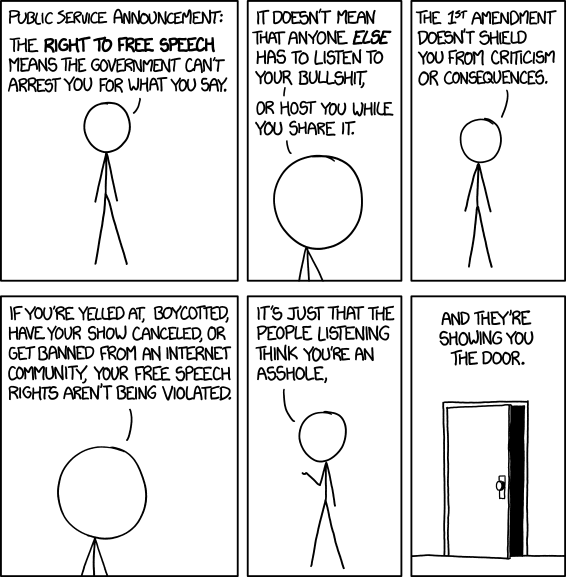
    There’s a great XKCD comic about this very thing.

    XKCD free speech

    It’s not silencing. It’s just saying not here.

    I’m okay if that hurts some bigots’ feelings.

  • This one goes out to the haters

    I’m wary of saying “bye” to 2017 and celebrating the demise of a terrible year. I did that to 2016, which turned out to be a walk in the park compared to the shitshow that 2017 quickly became.

    I’m with Paul Bettany on Twitter:

    “In January I dismissed my mate’s theory that David Bowie was the glue holding the universe together but I don’t know man… I don’t know…”

    I’ve written about the big picture stuff for Metro. On a personal level I had some experiences I wouldn’t wish on my worst enemy.

    But, and it’s a big but, I’m leaving 2017 as a much happier person than I remember ever being. I’m optimistic about the future. Not so long ago I wasn’t sure I had a future. And a huge part of that change has been because I’ve made a conscious effort to question my own bullshit, to try and see the world as it is or might be rather than through a glass darkly.

    As Morrissey put it:

    It’s so easy to laugh, It’s so easy to hate
    It takes strength to be gentle and kind

    But it’s so worth it, no matter how imperfectly you may do it. If you’re determined to see the worst, that’s all you’ll see. If you try to be respectful and kind, you get it back in spades.

    One of my favourite films is the 1990 psychological thriller Jacob’s Ladder. In it (27-year-old-spoiler alert!) one of the characters, Danny Aiello’s Louis, paraphrases the German theologian Eckhart Von Hochheim:

    Eckhart saw Hell too. He said: The only thing that burns in Hell is the part of you that won’t let go of life, your memories, your attachments. They burn them all away. But they’re not punishing you, he said. They’re freeing your soul. So the way he sees it, if you’re frightened of dying and… and you’re holding on, you’ll see devils tearing your life away. But if you’ve made your peace, then the devils are really angels, freeing you from the earth. It’s just a matter of how you look at it, that’s all. So don’t worry, okay? Okay?

    I’m not suggesting that 2017 was analogous to Hell. But I like the metaphor of battling demons when they’re really angels, freeing your soul.

    It’s just a matter of how you look at it, that’s all.

    So don’t worry, okay?

    Okay?Â